
Europe has become one of the fastest-growing data centre markets globally, driven by cloud adoption, AI, hyperscale investment and increasing demand for secure, low-latency digital infrastructure. New facilities are being planned, permitted and constructed across the continent, creating long-term demand for skilled professionals across design, construction, MEP and commissioning.
This page provides an overview of the European data centre landscape, including key locations, why data centres are built where they are, and how this growth is translating into career opportunities across Europe.
Data Centre Locations Across Europe
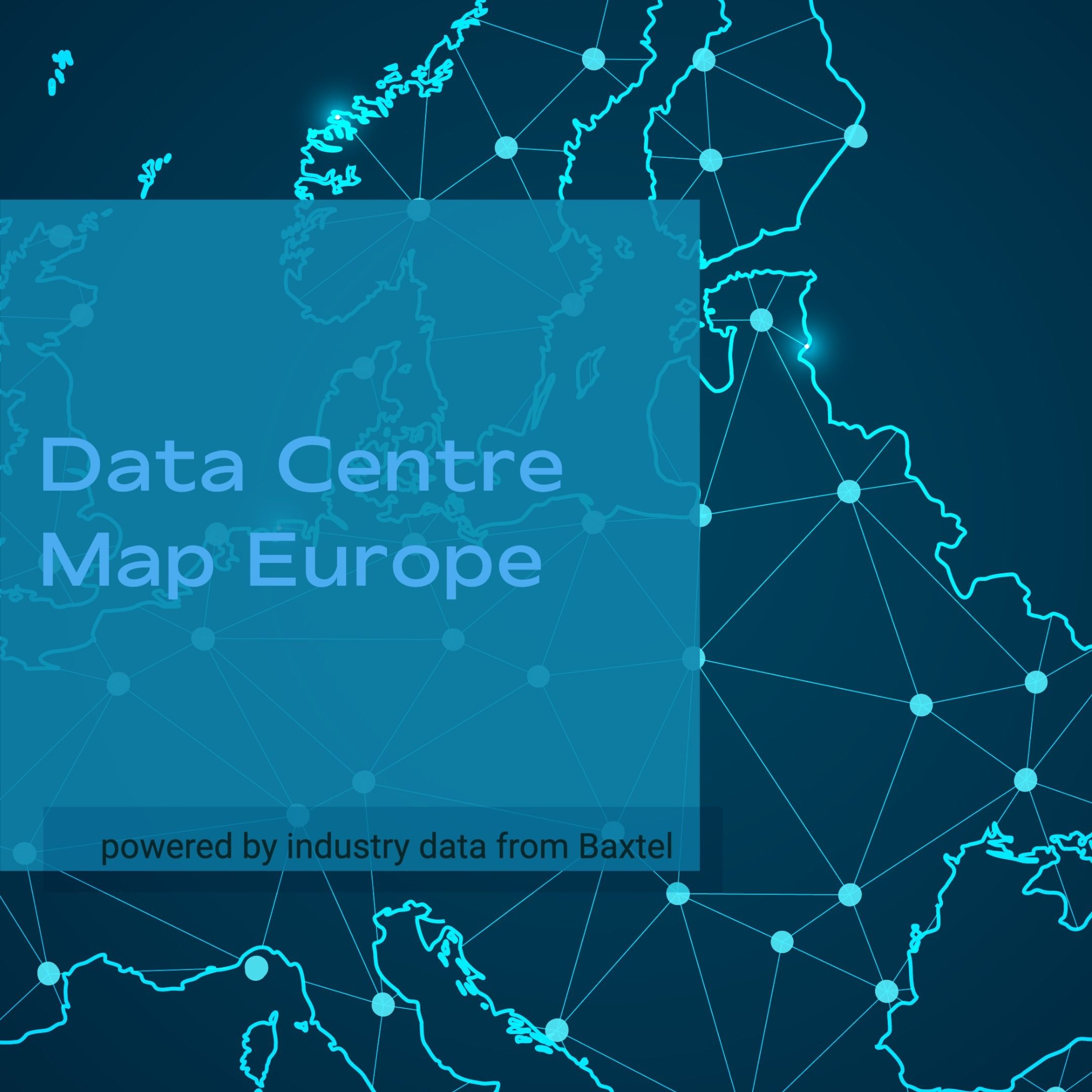
Large-scale data centre developments are not spread evenly across Europe. Instead, they are concentrated in specific regions where power availability, connectivity, planning policy and climate align.
Industry data providers, such as Baxtel, track hundreds of existing and planned facilities across the continent. While individual projects vary in size and scope, several key markets consistently stand out.
Major European Data Centre Hubs
Germany |
Netherlands |
| Germany is one of Europe’s largest data centre markets, with Frankfurt established as a core connectivity hub. Ongoing hyperscale development continues across Frankfurt and other regions, supported by strong infrastructure and enterprise demand. | The Netherlands, particularly the Amsterdam region, remains a critical data centre location due to its connectivity and digital infrastructure. While planning regulations have tightened in recent years, significant development continues across approved zones. |
Ireland |
Nordics (Sweden & Finland) |
|
Ireland plays a strategic role in Europe’s data centre ecosystem, hosting major cloud and hyperscale operators. Long-term investment programmes continue despite evolving planning and grid considerations. |
The Nordic region has seen rapid growth due to cooler climates, renewable energy availability and competitive operating costs. Sweden and Finland are now established destinations for large-scale, long-term data centre projects.
|
Belgium |
Portugal |
|
Belgium’s central European location and connectivity make it an attractive market for data centre investment, particularly for regional and edge facilities supporting wider European networks. |
Portugal is an emerging data centre market, benefiting from international connectivity, renewable energy investment and growing interest from hyperscale operators. |
Why Data Centres Are Built in These Locations
Data centre site selection is driven by a combination of technical, regulatory and commercial factors. Across Europe, the most active locations typically share several key characteristics:
-
Power availability and grid stability
-
Access to renewable energy sources
-
Strong fibre and network connectivity
-
Favourable planning and regulatory environments
-
Climate conditions that support efficient cooling
-
Proximity to major population and enterprise centres
As demand for cloud services, AI computing and digital infrastructure grows, these factors are shaping where the next generation of European data centres will be built.
The Scale of European Data Centre Development
Many European data centre projects are not standalone builds but part of multi-campus, multi-phase developments. These programmes often run for years, with expansion phases planned well in advance.
As a result, data centre construction in Europe is increasingly characterised by:
-
Long-term investment pipelines
-
Repeated build phases
-
Ongoing commissioning and operational upgrades
-
Sustained demand for skilled personnel
Several European programmes are already secured through 2030 and beyond, making data centres one of the most stable construction and engineering sectors in the market.
What This Growth Means for Jobs in Europe
Where data centres are built, jobs follow.
Large-scale data centre developments require thousands of professionals across the full project lifecycle — from early design through construction, commissioning and handover. As European demand accelerates, contractors are increasingly recruiting internationally to meet skills shortages.
This has led to a sharp increase in European data centre jobs, particularly roles offering:
-
Expat and rotation packages
-
Accommodation and travel support
-
Long-term project security
Roles in Demand Across European Data Centres
Across Europe, the most in-demand data centre roles include:
Design & Engineering
-
BIM Engineers
-
Electrical & Mechanical Design Engineers
-
CSA Design Engineers
Construction & Delivery
-
Project Managers
-
Construction Managers
-
Site Managers
-
CSA Engineers
MEP & Commissioning
-
Electrical Engineers
-
Mechanical Engineers
-
MEP Managers
-
Commissioning Engineers & Managers
Quality, Safety & Operations
-
QA/QC Engineers
-
HSE Advisors
-
Authorised Persons (LV/HV)
Many of these roles are English-speaking, particularly on international projects delivered by Tier 1 contractors and specialist M&E firms.
Start Exploring European Data Centre Opportunities
Whether you are researching the European data centre market or actively considering your next role, understanding where projects are being built is the first step.
Browse the latest data centre jobs in Europe above, or register your CV to be considered for upcoming projects across Germany, the Netherlands, Belgium, Sweden, Finland, Portugal and Ireland.








Our Achievements

Experience
20 years of experience

Flexible
Tailored to your needs

Personalised
Relationship focused

Professional
Reliable and respected
Frequently Asked Questions
Do I need to speak the local language?
Many European roles are English-speaking, particularly in data centres and M&E.
Are these permanent or contract roles?
Both options are available, depending on the project and your preference.
Is accommodation included?
Yes — many roles include single-occupancy accommodation with utilities covered.
Can this be my first expat role?
Absolutely. Many candidates start their European career with Breagh Recruitment.
How long are these projects?
Several projects are secured through 2030 and beyond.
Start Your European Career Today
Browse the latest jobs in Europe above, or submit your CV to be considered for upcoming European opportunities.
Meet Our Team